

EACCME – European Accreditation Council for Continuing Medical Education.
Endoscopic Sinus Surgery Course has been accredited by the European Accreditation Council for Continuing Medical Education (EACCME®) for a maximum of 16 European CME credits (ECMEC® s).
Course Director
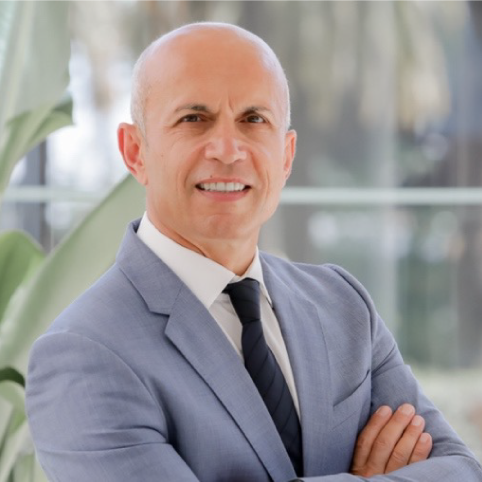
Prof. Isam Alobid
Director
Barcelona University
Course Overview
Olfactory disorders are increasingly recognized as a major health concern, significantly affecting patients’ quality of life, nutrition, safety, and emotional well-being. Despite growing scientific interest, practical training opportunities dedicated exclusively to the diagnosis and treatment of smell disorders remain limited.
The Barcelona International Course on Olfactory Disorders has been designed to provide ENT specialists and rhinologists with a comprehensive update on the diagnosis, evaluation, and management of olfactory dysfunction across a wide range of clinical conditions.
The scientific programme will address olfactory loss associated with chronic rhinosinusitis with nasal polyps (CRSwNP), allergic rhinitis, post-viral olfactory dysfunction, and other inflammatory and neurogenic disorders. Particular emphasis will be placed on the impact of biologic therapies and allergen immunotherapy on olfactory outcomes, as well as on the emerging role of Platelet-Rich Plasma (PRP) as a regenerative treatment.
This intensive two-day course combines state-of-the-art lectures, case discussions, live demonstrations, and an exclusive hands-on cadaveric workshop, allowing participants to learn and practice PRP injection techniques under expert supervision.
Held in Barcelona during the iconic Sant Jordi Festival, the course also offers participants the opportunity to experience one of Europe’s most unique cultural celebrations, where the city comes alive with millions of books, roses, and unforgettable fragrances.
Course Coordinator
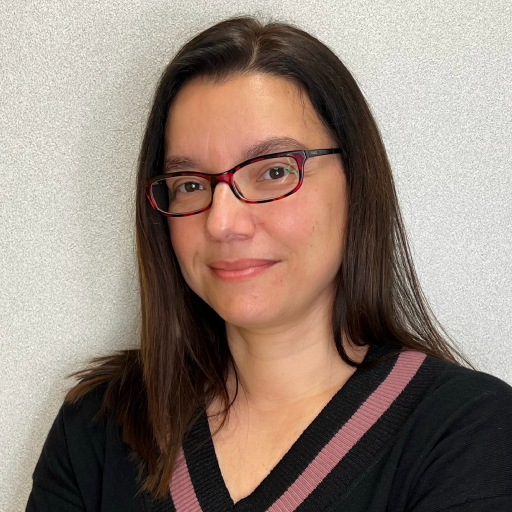
Prof. Marta Viñas
Coordinadtor
Terrassa University Hospital
Course Coordinator
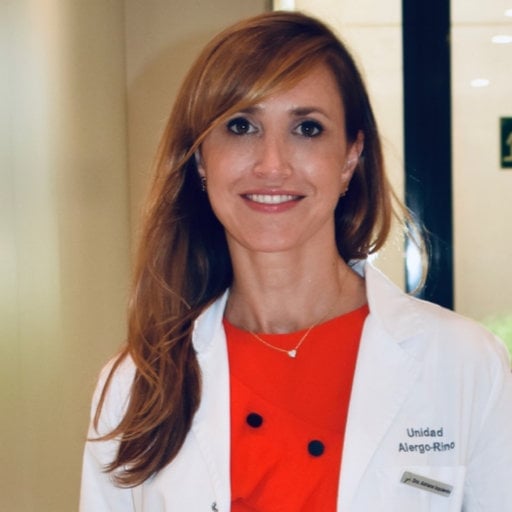
Prof. Adriana Izquierdo
Coordinator
Terrassa University Hospital
International Guest

Prof. Zara Patel
Guest Faculty
Stanford University, USA
International Guest

Prof. Jerôme Lechien
Coordinadtor
University of Mons, Belgium
Course Objectives
At the end of the course, participants will be able to:
- Understand the anatomy, physiology, and pathophysiology of olfaction.
- Perform a comprehensive diagnostic evaluation of patients with olfactory dysfunction.
- Interpret psychophysical and objective olfactory testing.
- Understand the mechanisms of smell loss in CRSwNP, allergic rhinitis, post-viral disorders, and other sinonasal diseases.
- Evaluate the effects of biologic therapies on olfactory recovery in patients with CRSwNP.
- Understand the impact of allergen immunotherapy on olfactory function in allergic rhinitis.
- Identify appropriate candidates for regenerative therapies, including PRP.
- Understand the biological rationale and current evidence supporting PRP therapy.
- Learn standardized protocols for PRP preparation and administration.
- Master PRP injection techniques through a hands-on cadaveric workshop.
- Integrate evidence-based regenerative therapies into routine clinical practice.
Scientific Highlights
- Comprehensive evaluation of olfactory disorders
- Olfactory dysfunction in CRSwNP
- Biologic therapies and smell recovery
- Olfactory dysfunction in allergic rhinitis
- Allergen immunotherapy and olfactory outcomes
- PRP for olfactory dysfunction: current evidence
- Hands-on cadaveric PRP injection workshop
- Step-by-step injection techniques
Day 1
Scientific Programme
From diagnosis to advanced & regenerative treatment
- 08:30–08:40 Welcome and course introduction
Session 1
Understanding and diagnosing olfactory dysfunction
- 08:40–09:10
Olfactory anatomy and physiology: what the clinician needs to know
Dr. Patel
Olfactory neuroepithelium · olfactory cleft · neural pathways · mechanisms of olfactory dysfunction
- 09:10–09:40
How to evaluate a patient with olfactory dysfunction
Dr. Villarreal
Clinical history · nasal endoscopy · psychophysical testing · imaging · objective assessment
- 09:40–10:00
From symptoms to diagnosis: a practical clinical algorithm
Dr. Lechien
Conductive vs sensorineural loss · etiological diagnosis · when further investigation is required
- 10:00–10:30 Coffee Break
Session 2
Postviral and post-traumatic olfactory dysfunction
- 10:30–11:00
Postviral olfactory dysfunction: diagnosis, prognosis and treatment
Dr. Patel
Natural history · predictors of recovery · therapeutic options · lessons learned from COVID-19
- 11:00–11:30
Post-traumatic olfactory dysfunction: what can we offer our patients?
Dr. Lechien
Mechanisms · diagnostic work-up · prognosis · treatment options
- 11:30–12:00
Olfactory training: evidence, protocols and practical implementation
Dr. Mullol
Patient selection · odorants · duration · adherence · modified protocols · expected outcomes
Session 3
Allergic rhinitis and olfaction
- 12:00–12:30
Olfactory dysfunction in allergic rhinitis: an underestimated problem?
Dr. Schayman
Mechanisms · inflammation · nasal obstruction · clinical impact · assessment
- 12:30–13:00
Can allergen immunotherapy restore olfactory function?
Dr. Izquierdo
Biological rationale · current evidence · patient selection · olfactory outcomes
- 13:00–13:15 Group photo
- 13:15–15:00 Lunch
Session 4
CRSwNP and olfaction
- 15:00–15:30
Why do patients with CRSwNP lose their sense of smell?
Dr. Sarrió
Type 2 inflammation · mechanical obstruction · olfactory neuroepithelium · predictors of olfactory dysfunction
- 15:30–16:00
Surgery and olfactory recovery in CRSwNP
Dr. López
Patient selection · extent of surgery · olfactory cleft · expected recovery · limitations
- 16:00–16:30
Biologics and smell: can we restore olfaction?
Dr. Alobid
Clinical trials · real-world evidence · magnitude and timing of recovery · predictors of response · long-term outcomes
- 16:30–17:00 Coffee Break
Session 5
Regenerative olfactory medicine: from science to PRP
- 17:00–17:30
PRP and the olfactory system: biological rationale, mechanisms of action, and US trial results
Dr. Patel
Platelets · growth factors · neuroprotection · neurogenesis · tissue repair
- 17:30–18:00
PRP for olfactory dysfunction: what does the evidence from Belgium show?
Dr. Lechien
Current clinical evidence · efficacy · safety · limitations · ongoing research · unanswered questions
- 18:00–18:30
Artificial intelligence and olfactory dysfunction: predicting recovery and optimizing regenerative therapies
Dr. Clemente
AI-assisted olfactory assessment · prognostic factors · patient selection · personalized regenerative therapies · future perspectives
- 18:30–19:00
PRP in real clinical practice: protocols, controversies and lessons learned
All faculty
Moderated faculty discussion: preparation · equipment · injection sites · volume · number of sessions · endoscopic technique · postoperative care · combination with olfactory training · outcome assessment · definition of failure
- 19:00–19:15
Preparing for tomorrow: hands-on briefing
Anatomical targets · equipment · safety · organization of the practical stations
Day 2
Hands-on Workshop
From knowledge to practice
-
08:30–09:00
Faculty Demonstration: PRP injection step by step
From PRP preparation to endoscopic injection into the olfactory cleft.
Rotating hands-on stations
Stations 1 to 3
-
Station 1
Olfactory testing
Psychophysical olfactory testing · administration · threshold/detection · identification · scoring · interpretation · clinical decision-making
-
Station 2
PRP preparation and anatomical models
PRP preparation · equipment · needle handling · 3D olfactory cleft anatomy · target areas · injection angles and depth · endoscopic hand-eye coordination
-
Station 3
Cadaveric olfactory anatomy and injection
Olfactory cleft · superior turbinate · septal olfactory region · lateral wall · endoscopic access · safe injection sites · needle positioning · injection practice
- 10:30–11:00 Coffee Break
Advanced workshop
Cadaveric PRP injection workshop
-
11:00–13:00
Participants perform the complete procedure under direct faculty supervision
- Step 1. Endoscopic identification of the olfactory cleft
- Step 2. Selection of appropriate injection targets
- Step 3. Endoscope and needle positioning
- Step 4. Septal injection technique
- Step 5. Lateral olfactory cleft injection technique
- Step 6. Bilateral PRP injection
- Step 7. Difficult anatomy and complication avoidance
Closing
Final practical pearls and closing remarks
-
13:00–13:20
Final practical pearls
10 things to remember when starting a PRP olfactory clinic
Patient selection · PRP preparation · injection technique · safety · postoperative care · follow-up · outcome assessment
-
13:20–13:30
Closing remarks and certificates
Information
Course Pricing and Details
Registration Fee:
Theoretical only: €500
Theoretical and Hands-on course: €900
Theoretical and observer at the practical sessions: €700
Certificate Reissuance: A replacement certificate (due to loss, non-collection, or other reasons) is subject to an additional fee of 40 €.
Cancellation Policy
- Refunds are available up to 60 days before the course (minus a 100 € administrative fee).
- No refunds will be processed within 60 days of the course date.
All refund requests must be sent to: info@aventik.es
Course Language
English
Contact Information
Miquel Pahissa
Phone: +34 685 265 622
Email: info@endoent.com
Course venue:
Anatomy Department, Medicine School, Universitat de Barcelona.
Carrer Casanova, 143, 08036, Barcelona